
Historic home styles
Victorian, Colonial, Craftsman, Tudor and mid-century homes: document original features, additions and materials for rebuilding estimates and insurance.
Historic homes and designation
Original details. Older systems. A home that does not fit a standard checklist. Understand the coverage questions and explore options for the house you care for.
Quote inquiries in 46 states. Or call 888-400-1045.
A treasured home deserves a clear explanation. Use the guides to understand the terms, the records to describe the property and a conversation to explore what may be available.
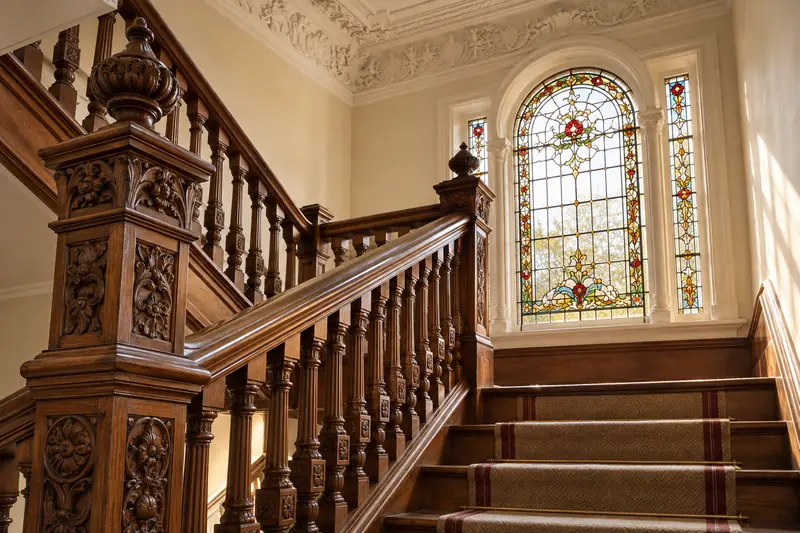
Original plaster, woodwork and roof materials belong in the rebuilding conversation. A dwelling limit alone does not explain how a repair would be valued. Compare rebuilding coverage
Separate completed work from planned work, and a new panel or bathroom from a fully updated system. Organize your property records
One insurer’s decision does not tell you what every other insurer will do. Keep the notice, identify the deadline and review the next options. Follow the nonrenewal action plan
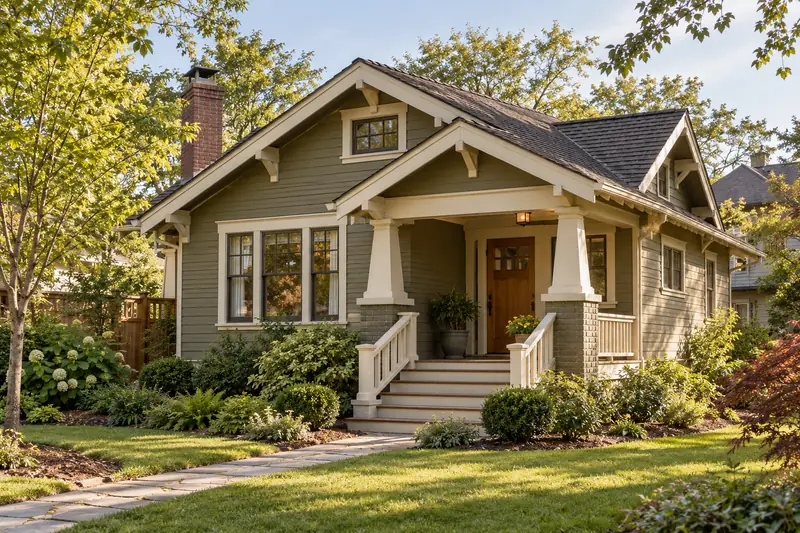
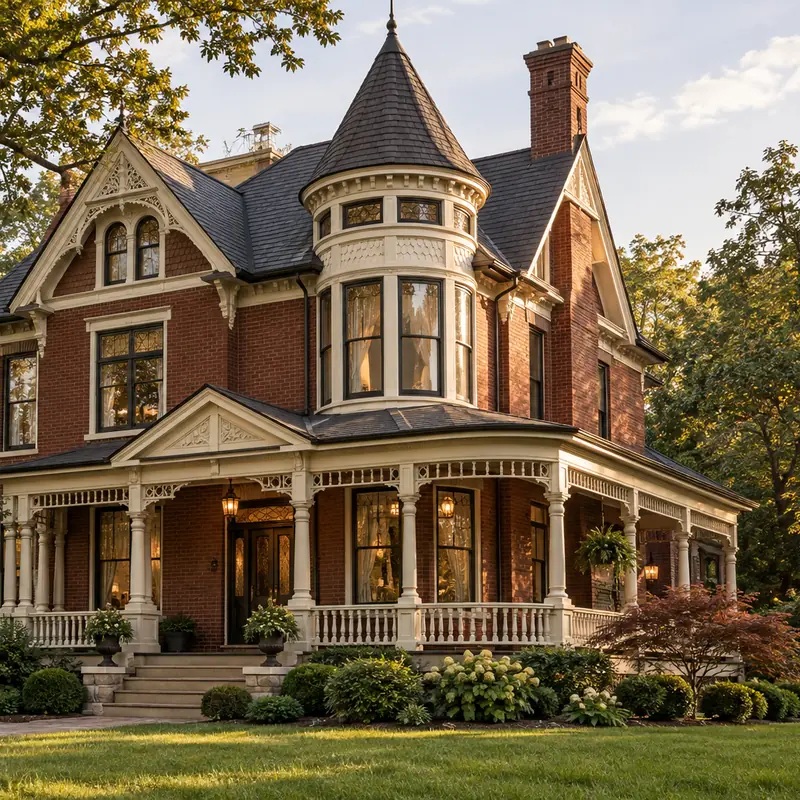
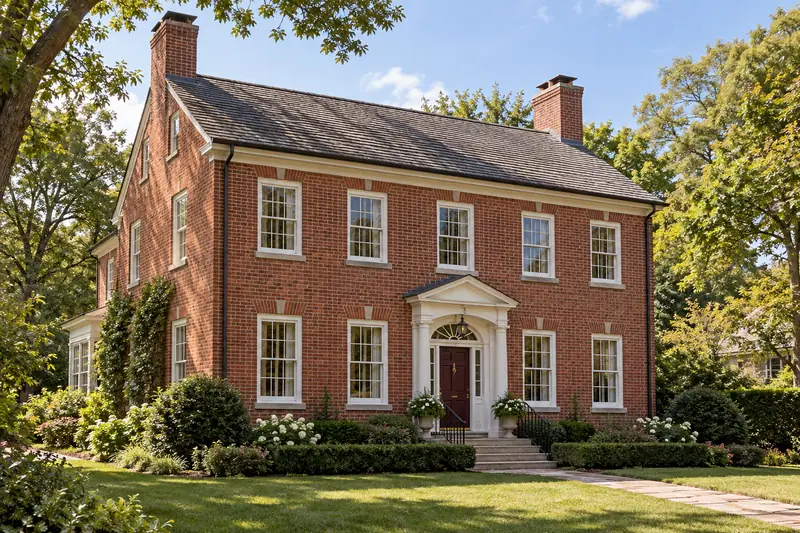
A modest bungalow, a Colonial-style house and an ornate Victorian can all raise worthwhile coverage questions. Start with the actual home and the features you want to understand.
Victorian, Colonial, Craftsman, Tudor and mid-century homes: document original features, additions and materials for rebuilding estimates and insurance.
Historic homes and designation
How National Register listing, local historic districts and preservation easements affect home insurance, repairs after a loss and what to tell your insurer.
Historic homes and designation
How to set the dwelling limit on a historic home: replacement cost vs. market value, the 80% rule, functional replacement, extended replacement cost and appraisals.
Coverage basics
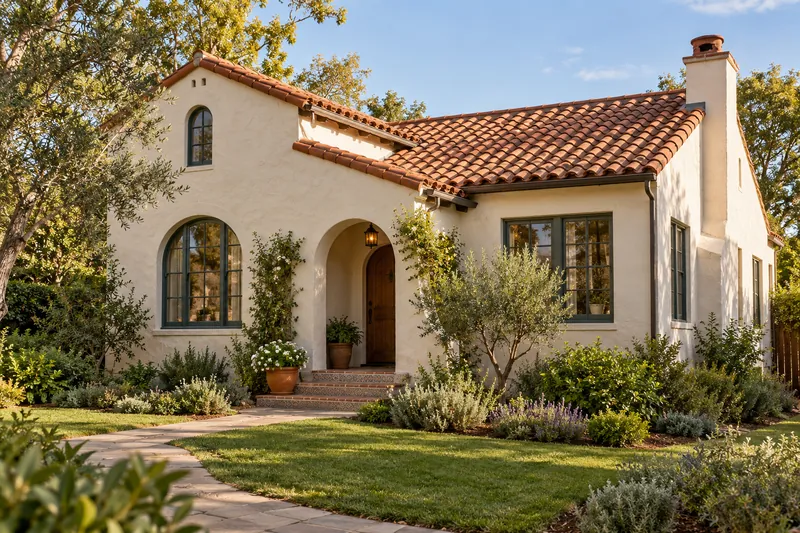
AI-generated architectural illustrations. These are fictional examples, not customer properties.
Choose the details you know about the roof, systems, use and insurance history. Get a list of questions, records and relevant guides. No contact information is needed. Your answers stay in this browser tab.
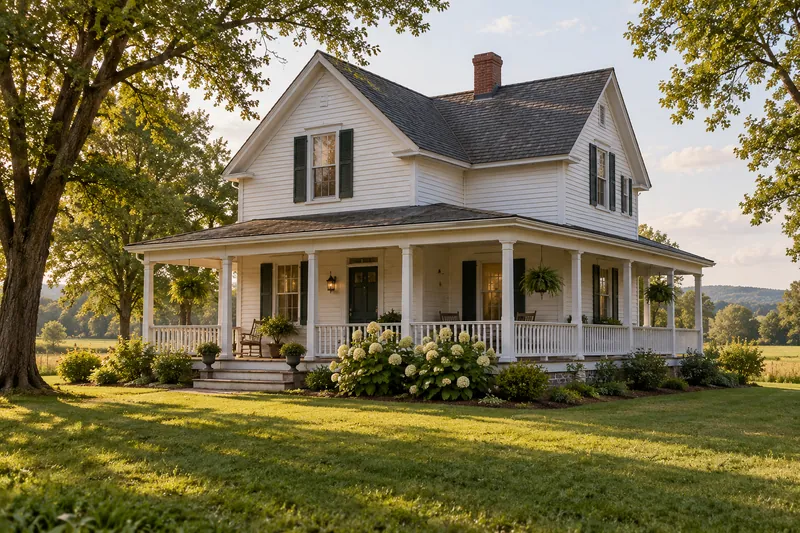
Prepare an older-home insurance review with roof, wiring, plumbing and update records. Compare coverage terms and possible options after a nonrenewal.
Older home systems
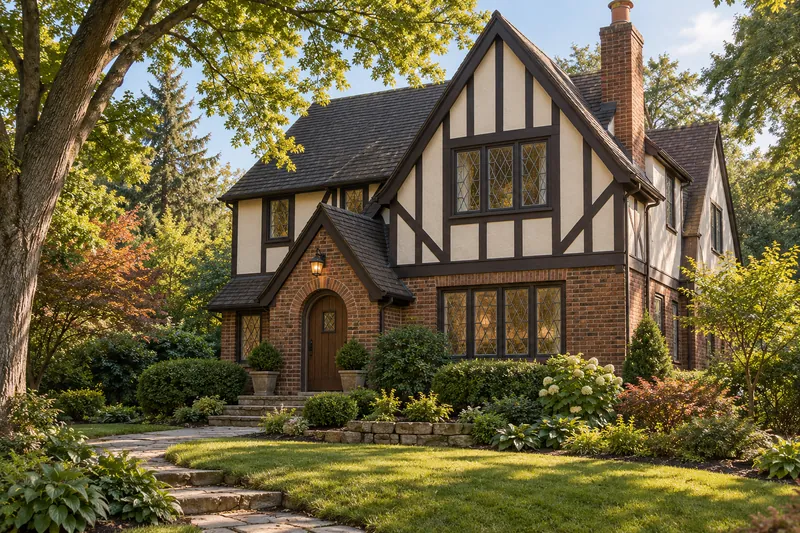
Prepare for an insurance review of knob-and-tube wiring. Document active circuits, electrician reports, completed updates and any required repair deadlines.
Older home systems
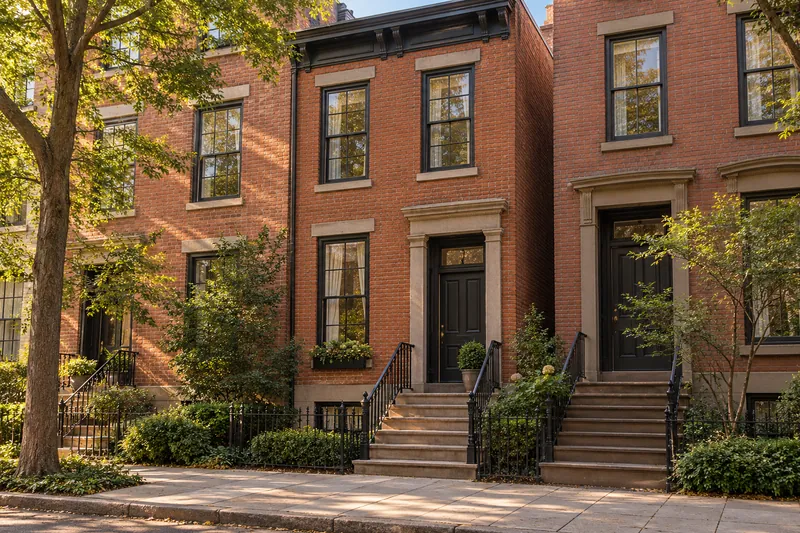
Understand HO-8 modified homeowners coverage and compare causes of loss, settlement terms, roof provisions and restoration priorities before accepting a policy.
Coverage basics
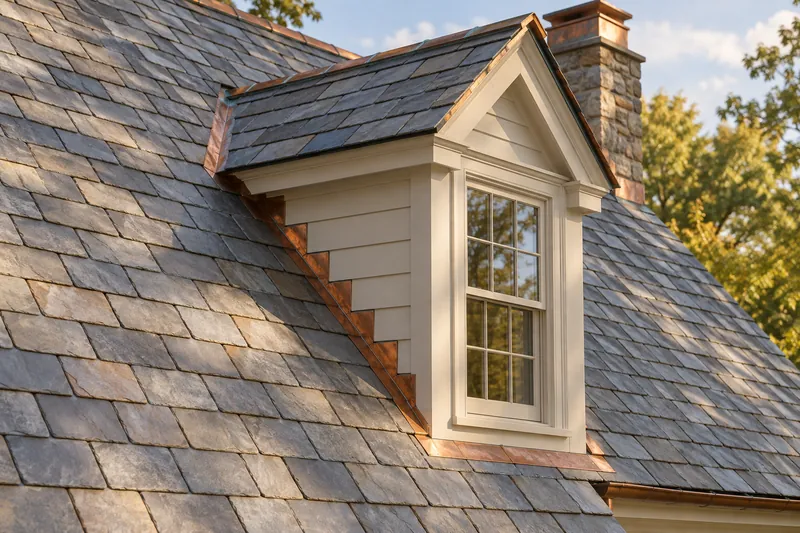
Insurance questions for slate, clay tile, wood and metal roofs: condition records, replacement cost, cash value, matching and preservation requirements.
Older home systems
Learn how a four-point insurance inspection covers the roof, electrical, plumbing and HVAC systems. Check report requirements and prepare your home's records.
Older home systems
Compare NFIP and private flood insurance for a historic home. Review limits, basement coverage, waiting periods, lender needs and floodplain requirements.
Coverage basics
There is no single standardized historic-home policy. Compare the actual form, endorsements and rebuilding assumptions offered for your property. See the coverage overview.
No. Listing does not require a private owner to open the home for tours. Local designations, easements and other agreements may create separate requirements. Understand designation.
A review may identify other standard, specialty or surplus lines options. Availability depends on the home, state and insurer. A FAIR Plan may also be relevant where available and eligible. Plan your next steps.
Mark unknowns clearly and gather the records you have. Ask which reports are needed before paying for an inspection. Build a preparation checklist.
When it was built, what has been updated and when your current policy ends. Start with what you know. We can help identify the next questions.